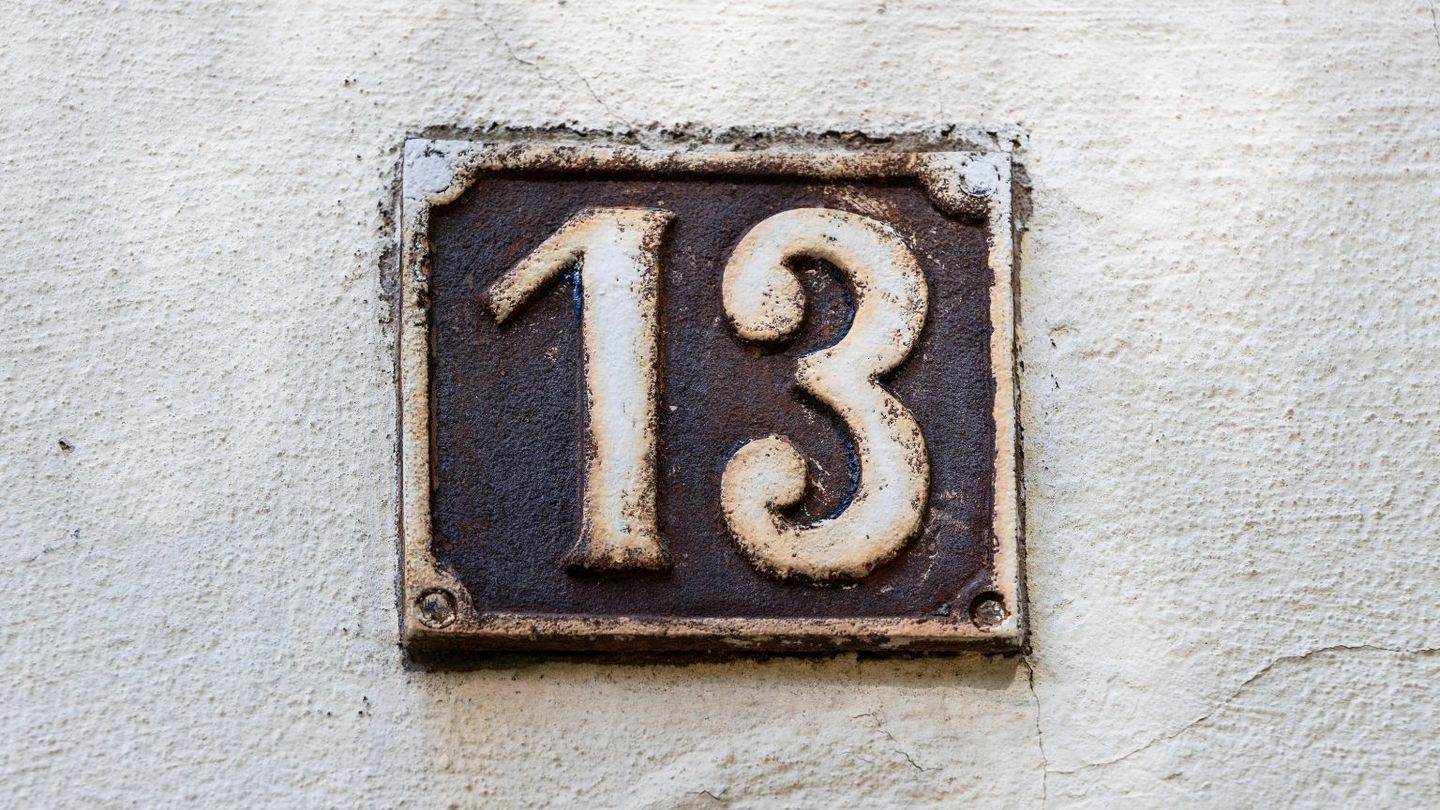
Why Is the Number 13 Rarely Used in Indian Real Estate?
The number 13 is rarely seen in Indian real estate. You may find buildings that skip from the 12th floor to the 14th, apartments labelled 12A instead of 13, or developers who avoid using 13 in their floor and unit numbering.
Is this because of a technical reason? Not really. It is largely about belief, perception and buyer behaviour. In real estate, where a purchase is often one of the largest financial and emotional decisions a person makes, even something as simple as a number can influence the buying decision.
Why Is 13 Considered Unlucky?
The association of the number 13 with bad luck is not unique to India. In several Western cultures, 13 has traditionally been considered unlucky, with Friday the 13th becoming a particularly well-known superstition.
The number also breaks the symbolic completeness associated with 12. There are 12 months in a year, 12 zodiac signs and 12 traditionally recognised divisions in several cultural and religious systems. Over time, these associations have contributed to the perception that 13 is somehow less favourable. In India, however, the story is more nuanced.
Why Do Indian Developers Avoid the 13th Floor?
Real estate developers are ultimately selling to people, and buyer sentiment matters.If many potential buyers feel uneasy about living on a 13th floor or in an apartment numbered 13, developers often skip the number altogether. Instead, they might label the floor as 12A or just jump straight from 12 to 14. This usually has no structural or architectural basis. It is primarily a market and consumer behaviour decision.
Developers understand that a buyer may be completely comfortable with a particular apartment until they notice its number. If that number creates hesitation, the developer has little incentive to introduce an unnecessary psychological barrier. This is especially relevant in luxury residential real estate, where buyers aren't simply purchasing square footage. They are buying a home, an address, a lifestyle, and often a sense of exclusivity.
Is 13 Actually Unlucky in Indian Culture?
Interestingly, not necessarily. The perception of 13 varies significantly across Indian communities and belief systems. For Sikhs, “Tera”, meaning “Yours”, has deep spiritual significance and is associated with surrender to God.
In Hindu culture, the 13th day of the lunar cycle, called Trayodashi, is seen as a sacred and meaningful time. For instance, Dhanteras takes place on Trayodashi during the Krishna Paksha (the dark half of the month). This festival is considered especially lucky and is celebrated with the hope of bringing prosperity and wealth into people's lives.
This makes the idea that 13 is universally unlucky in India far too simplistic. For some people, 13 may be undesirable. For others, it may have positive or even sacred associations.
How Superstition Influences Real Estate Buying?
Real estate blends rational financial analysis with emotional decision-making. A buyer may carefully evaluate location, developer reputation, carpet area, density, floor plans, payment plans and price per square foot. Yet the final decision can sometimes be influenced by something a spreadsheet can't capture. The floor number, apartment number, entrance direction, Vastu considerations, or even the date of registration can matter to a buyer. This doesn't necessarily mean buyers are irrational.
A home is deeply personal. People want to feel comfortable with the decision they are making, particularly when they are committing several crores to a property. For developers and real estate advisors, understanding these behavioural factors can therefore be just as important as understanding pricing and market fundamentals.
Should You Avoid Buying a Property on the 13th Floor?
There is no financial or structural reason to avoid a 13th-floor apartment simply because of the number. From an investment perspective, the more important questions are:
- Is the location strong?
- Is the developer credible?
- Is the project legally and financially sound?
- Is the apartment well planned?
- What is the carpet-area efficiency?
- How does the price compare with similar properties?
- What is the future supply in the micro-market?
- Is there genuine end-user and investor demand?
If the answers to these questions are favourable, the number 13 by itself should not determine the quality of the investment. However, another practical consideration matters. If you are buying a property that you may eventually sell, understand your future buyer. If a significant section of the market considers 13 undesirable, resale could potentially involve a smaller pool of interested buyers. That is a marketability question, not a question of whether the number is lucky or unlucky.
The Bigger Lesson for Real Estate
The story of the number 13 tells us something important about real estate that property is never just about numbers. Price, area, location and returns matter, but so do perception, emotion, culture and belief. A developer may design the most efficient building possible, but if buyers perceive something negatively, that perception can influence demand.
That is why successful real estate marketing isn't only about selling a property's physical attributes. It is about understanding how buyers think and what makes them comfortable making one of the biggest purchases of their lives. The number 13 may be unlucky for some, sacred for others and completely irrelevant to many.
The real lesson: In real estate, perception can sometimes be as powerful as reality.
FAQ’s
Why is the 13th floor missing in some buildings in India?
Some developers skip the number 13 because of cultural or buyer perceptions around its association with bad luck. They may label the floor as 12A or move directly from 12 to 14.
Is the number 13 considered unlucky in India?
No universal Indian belief says 13 is unlucky. Attitudes vary across communities, families and individuals. In some Indian religious traditions, 13 also has positive or sacred associations.
Why do developers use 12A instead of 13?
Using 12A lets developers avoid a number some buyers may be uncomfortable with while keeping floor numbering sequential.
Should I avoid buying a 13th-floor apartment?
Not necessarily. The number itself doesn't determine a property's quality or investment potential. Location, developer quality, construction, pricing, apartment efficiency, project density and resale demand are much more important factors.
What is Trayodashi?
Trayodashi is the 13th lunar day in the Hindu calendar. Several important religious observances occur on Trayodashi, including Dhanteras.
Does the floor number affect property resale value?
Yes, it can. If some people are uncomfortable with a certain floor, like the 13th, fewer buyers may be interested, which could make it a bit harder to sell. Still, how much this matters really depends on the specific market, the project, and the kinds of buyers looking.
What other beliefs influence Indian real estate purchases?
Many buyers look beyond just the basics. Things like Vastu compliance, the apartment number, which direction the entrance faces, the floor level, and even the timing of possession or the preferred date for registration or moving in (often choosing something considered “auspicious”) can all make a difference. These preferences can shape a buyer’s decision, even if they don’t affect the property itself.
What is the significance of 13 in Sikhism?
The word “Tera”, which sounds like the number 13 in Hindi/Punjabi, means “Yours” and has an important spiritual association with surrender to God in Sikh tradition.