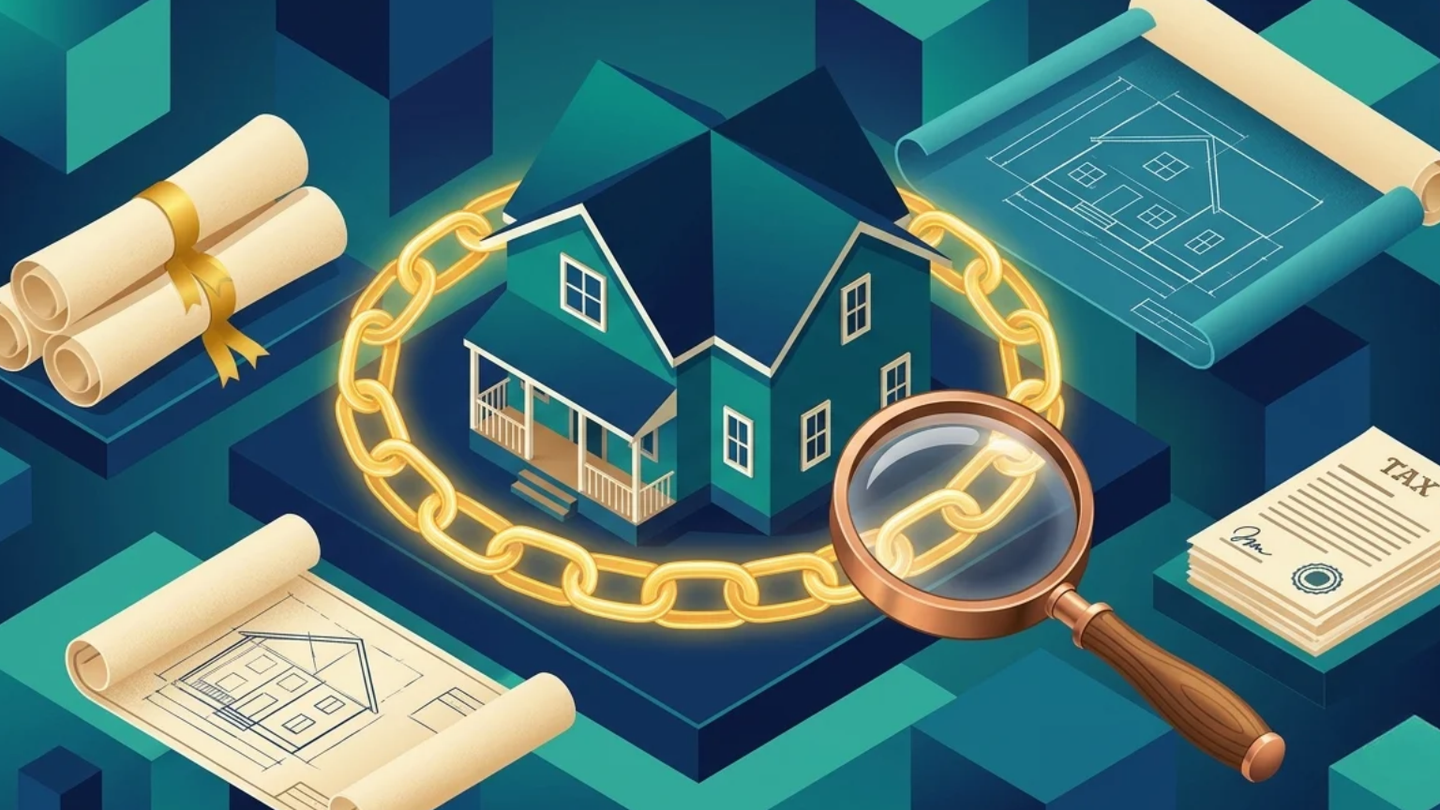
Think You Own Your Property? The Surprising Truth About Registration and Ownership
Imagine this: After months of searching, bargaining, and paperwork, you finally exit the sub-registrar’s office holding your freshly stamped sale deed. Relief washes over you. The property is now yours or so you believe. For many Indians, this moment feels like the triumphant end of a long and winding journey. But is it really the end? Or just the beginning of a new set of risks and responsibilities?
The reality stings, registration does not automatically grant you unassailable ownership. Shocked? You’re not alone. Countless buyers realize too late that the paper in their hands is just one step in a far larger maze of legalities, documents, and hidden dangers.
Let’s dive deep into the world of property ownership in India, busting myths, unpacking legal principles, and providing a clear road map to safeguard what could very well be the biggest investment of your life.
The Supreme Court's Message: Registration Isn’t Enough
The confusion about property registration and ownership isn’t just a technicality; it’s a trap that has ensnared thousands. The Supreme Court of India, through several landmark cases, has unambiguously declared:
A registered sale deed, by itself, does not grant legal ownership. Only a valid, continuous, and lawful chain of title can do that.
Despite this, the myth persists that registration is the final hurdle. The difference between having your name in the register and truly owning a property is vast and it’s this gap that leaves room for financial losses, legal grief, and heartache.
Real-Life Nightmares: When Ownership Becomes An Illusion
The legal principle might sound abstract, but its consequences are real and, at times, devastating.
Case #1: The Costly Copycat
A homebuyer in Hyderabad, after scrimping and saving, secured a deal for his dream house. After registration, he thought he was secure. However, a year later, he learned the title deed was forged; the seller was never the legitimate owner. The loss? His entire investment, gone in the blink of an eye.
Case #2: The Undisclosed Debt
A buyer in Delhi moved into a new apartment, blissfully unaware that an outstanding bank loan was attached to the property. The seller had conveniently omitted this detail. Legally, the debt and all its burdens got transferred to the new owner. She became responsible overnight for dues that weren’t hers.
The lesson: Registration and physical possession can provide a deceptive sense of security.
What Does Registration Actually Mean?
To fully grasp the risks, it’s vital to understand the role of property registration in India.
- Registration means the state recognizes a transaction took place.
- It is NOT a quality check of the transaction’s legality or underlying rights.
- It does NOT protect against fraud, disputes, or secret dues.
Think of it as an official receipt useful, but never a guarantee.
Dissecting the Problem: Why Are Buyers at Risk?
Purchasing a property is, for many, the biggest financial decision of their lifetime. Yet, the Indian real estate landscape is fraught with inconsistent practices and misinformed beliefs. The Biggest Myth, “My sale deed is registered, so I’m safe.”
This belief is rooted in outdated practices and reinforced by anecdotal “wisdom.” Unfortunately, it’s simply not true. The Reality:
- Registration proves only that a transaction occurred.
- It does NOT guarantee the seller’s right to sell, nor does it protect from previous claims, liens, or illegalities.
Even decades after a purchase, prior flaws in documentation can rise to the surface, often at the worst possible time.
Deconstructing Ownership: What Does It Actually Mean?
Ownership is more than clutching a registered document. It is:
- An unbroken, lawful, and thoroughly documented chain of title.
- Evidence that every prior transfer, at every step, was legal, authentic, and clear of defects.
- Possession of all certifications and clearances required by law.
In plain English: Can you prove, document by document, that every transaction involving your property, stretching back years or even decades, was lawful and clean? That’s what courts will demand if your property is ever challenged.
The Critical Documents: Your Ownership Checklist
Merely holding a sale deed isn’t enough. To truly defend your rights, you must collect and verify a suite of documents. Miss even one, and your title can be questioned. Here’s your essential checklist:
- Title Deed Chain
- Go back at least 30 years.
- Obtain every transfer deed, not just from your immediate seller.
- Any break, missing link, or forged deed is a red flag and could mean trouble ahead.
- Encumbrance Certificate (EC)
- Issued by the sub-registrar.
- Reveals if the property is under any mortgage, lien, or subject to court attachments.
- Ensure the certificate covers the entire chain period and not just recent years.
- Property Tax Receipts
- These demonstrate that the seller has regularly paid municipal taxes, showing official recognition.
- Any inconsistencies might point to ownership disputes or pending dues.
- Mutation Records
- These are revenue records reflecting every ownership transfer.
- Without the property being mutated in your name, your ownership remains incomplete, no matter how watertight the registration.
- Sanctioned Building Plan & Completion Certificate
- Certifies that the structure is legal per municipal bylaws.
- Watch out: Buildings without these approvals can face demolition, even if you paid honestly.
- Occupancy Certificate (OC)
- Establishes the building’s fitness for habitation.
- Many banks require this before lending, and without it, your property can lose value.
- RERA Registration (for New Projects)
- Ensures your developer complies with protective norms.
- Particularly vital for under-construction or just-launched projects.
- No-Objection Certificates (NOCs)
- Critical from housing societies, municipal authorities, or builders.
- For resale flats, it’s essential for contest-free transfer.
- Loan Clearance Certificate
- Demonstrates that no outstanding mortgage or loan remains on the property.
- If omitted, unpaid debts could become your headache.
Every Link in the Chain Counts: The Domino Effect
Let’s say you checked your seller’s details and everything appears fine. But what if a transaction twenty years ago was forged or defective? Suddenly, every subsequent ownership including yours is in jeopardy.
Courts now routinely demand proof for every link in your property's documentary chain. Unless you can show a continuous, legitimate trail from the original owner down to yourself, your ownership is vulnerable.
Shortcuts like General Power of Attorney (GPA) sales, affidavits, or "possession" are falling out of favor. They simply don’t hold up under real legal scrutiny.
Essential Buyer Actions: Safeguard Your Investment
Given the risks, what practical steps can you take as a property buyer?
- Treat Registration as a Beginning
- See it as a receipt, not a final stamp of ownership.
- The real work begins after that stamp hits your document.
- Demand the Entire Chain of Title
- Require and verify EVERY document in the chain, not just the seller’s papers.
- If anything’s missing, dig deeper, or consider walking away.
- Insist on an Updated Encumbrance Check
- Don’t accept outdated or partial ECs.
- Obtain a certificate covering up to your registration date.
- Complete the Mutation Process
- Push to mutate (update) government records in your name post-sale.
- Only then are you recognized as the real owner in official records.
- Be Wary of Bargain Deals
- Properties priced suspiciously low often hide trouble; legal tangle, defects, or unpaid debts.
- No discount is worth losing a lifelong investment.
- For New Properties, Verify All Approvals
- Insist on copies of building plans, occupancy and completion certificates, and RERA registration.
- These serve as checks against future legal complications or demolition threats.
- Hire Legal Professionals
- Property paperwork is dense and legal tricks abound.
- Engage experienced lawyers for document vetting especially for expensive or complex transactions.
The Invisible Risks: How Problems Surface Years Later
One of the greatest dangers in Indian property is that flaws can lay dormant for years, only to explode at the worst times during resale, loan application, or partition. Common post-purchase surprises:
- Another heir or co-owner appears, claiming rights.
- A hidden mortgage comes to light, with the new owner on the hook for repayment.
- The municipal authority refuses to mutate property due to legacy disputes.
- The builder failed to secure proper approvals, leading to demolition threats.
Many of these issues only emerge years later, by which time correcting them is costly, complex, and emotionally draining.
Conclusion
The old era where property registration equaled unquestioned ownership is over. Today’s reality requires vigilance, patience, and a healthy dose of skepticism.
Before you buy, remember: Your claim is only as strong as its weakest link.
So next time you or someone you know stands at the sub-registrar’s office, sale deed in hand, don’t just celebrate. Pause, probe deeper, and make sure you can answer:
- Is the title chain unbroken and legitimate?
- Are all required approvals and NOCs in hand?
- Does the property pass all legal, municipal, and financial checks?
Only when every document is verified and every risk accounted for can you celebrate fully and fearlessly, the joy of homeownership.
Protect yourself. Ask questions. Verify every link. Because in Indian real estate, what you think you own is often only as strong as the weakest chain.
FAQ's
Does registering a sale deed make me the legal owner of a property?
Not automatically. Registration only proves that a transaction took place. It doesn’t confirm that the seller had the right to sell, or protect you from earlier claims, liens, or illegalities. Legal ownership depends on a valid, unbroken chain of title.
What does “chain of title” mean, and how far back should I check?
It’s the documented trail of every transfer of the property, from the original owner down to your seller. You should obtain and verify every transfer deed, ideally going back at least 30 years. A missing or forged link anywhere can put every later ownership, including yours, at risk.
Why is an Encumbrance Certificate important?
Issued by the sub-registrar, it reveals whether the property has any mortgage, lien, or court attachment. Make sure it covers the entire chain period and is updated up to your registration date, not just the last few years.
What is mutation, and why does it matter after registration?
Mutation updates the government revenue records to show you as the owner. Without it, your ownership remains incomplete in official records, no matter how watertight your registered sale deed looks.
Can a seller’s hidden loan become my responsibility?
Yes. The article cites a Delhi buyer who discovered an outstanding bank loan on her apartment after purchase, leaving her liable for dues that weren’t hers. A Loan Clearance Certificate proves no mortgage or loan remains on the property.
What additional documents should I verify for a new or under-construction property?
Check the sanctioned building plan, Completion Certificate, Occupancy Certificate, RERA registration, and any required NOCs. Buildings without proper approvals can face demolition or lose value, even if you paid honestly.
Are GPA sales, affidavits, or just having possession enough to prove ownership?
No. These shortcuts are falling out of favour and don’t hold up under legal scrutiny. Courts now expect proof of a continuous, lawful documentary trail.
What practical steps can protect me before and after buying?
Treat registration as the beginning, not the end. Demand the full chain of title, get an updated Encumbrance Certificate, complete mutation, be wary of suspiciously cheap deals, verify all approvals for new projects, and have an experienced property lawyer vet the documents.