Sun-Facing Apartments: Why Do They Command a Premium?
Real estate can surprise you, even when you think you know it well. Every day brings new perspectives, not just about properties, but also about people, their preferences, and the reasons behind their buying decisions.
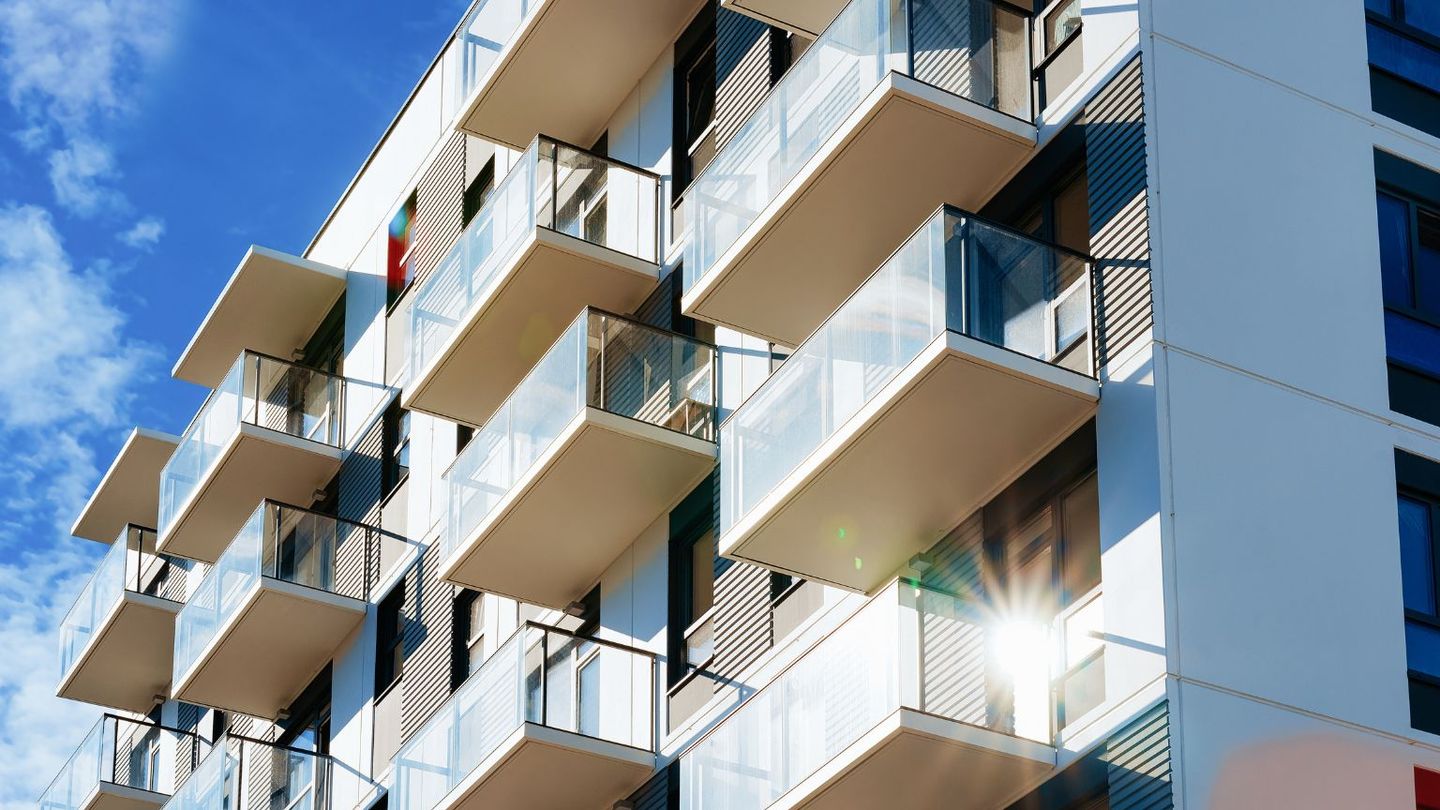
A Lesson in Sunlight- A while ago, I showed a friend, who is an experienced investor, two luxury apartments in Gurgaon. The two units were virtually identical since they had the same plan, were on the same floor, and were finished in the same way. In theory, they should have been about equally appealing. The only difference was in their orientation: one had a balcony that faced north, the other faced south and thus got far more sunlight during the day.
While we toured the apartments, a colleague started recommending the north-facing unit. “Gurgaon is hot most of the year,” he said. “Why would anyone pay more for extra sun?” It made sense, especially in a city where summer temperatures often go above 40°C. Sun-facing units are usually linked to higher cooling costs, glare, and hot afternoons. But before I could respond, my friend’s wife, a quiet observer until then interjected with a single, powerful line: “You don’t know the value of the sun.”
The Power of Perspective
She described living in different parts of Europe, where winter months are long and grey, and sunlight is rare and valuable. In such places, an apartment that gets a lot of sun is more than a design element it becomes a source of psychological warmth and comfort. As one spends many years going through long and dull winters, she said, there comes a desire for natural light which is difficult to explain to someone who has always lived under the Indian sun.
I never forgot that moment even after the visit had finished. It made me realize that each buyer incorporates a lifetime of experience into one decision. In India, the sunlight is often seen as the enemy, a force which has to be managed, blocked, or avoided. In contrast, in much of Europe, Canada, and North America, people are willing to pay more for the sun. It's not merely a matter of the weather it's also a matter of culture, psychology, and memory.
The Psychology of Sunlight
Why does natural light matter so much? The answer lies in both science and sentiment:
- Mood and Well-Being: Numerous studies show that sunlight exposure increases serotonin production, a hormone linked to improved mood and focus. Sunlit spaces can help combat seasonal affective disorder (SAD) and boost overall happiness.
- Productivity and Health: Natural light supports healthy sleep cycles, reduces eye strain, and may even improve productivity vital for those working from home.
- Perception of Space: Sun-facing apartments often feel larger, more open, and more inviting. Light playing across a room can transform an ordinary space into something special.
For those who have lived through long, tough winters, the perks of sunlight aren’t just hypothetical; they feel real and deeply personal. Just like so many things in real estate, the value of sunlight isn’t universal; it’s shaped by each person’s unique background. You could have the same apartment, facing the same direction, but end up with two completely different opinions, each colored by someone’s climate, culture, and life story.
Real Estate and the Invisible Baggage
Every buyer brings their own climate, culture, lifestyle, and way of thinking, and this invisible baggage often matters more than the floor plan. Some buyers want shade and coolness, seeing sunlight as uncomfortable and expensive. Others are willing to pay more for the warmth, brightness, and emotional boost that a sun-facing apartment gives.
This makes real estate endlessly fascinating and humbling. There’s no such thing as a universally “best” apartment. There’s only the apartment that’s best for that buyer, at that moment in their life.
The Limits of Specifications
At prOPIUM, we’re building technology to help buyers and sellers make smarter decisions. But this experience reinforced a crucial lesson: Real estate decisions can’t be reduced to specifications alone. If an AI only measures price, size, floor, or location, it overlooks the deeper reasons people choose a home. The future of prOPIUM is about so much more than crunching property data. It’s about truly getting to know buyers, their lifestyles, what they love, where they've been, and what they hope for. Comfort isn’t something you can put a number on, and what feels like “the best apartment” is always changing, shaped by each person’s one-of-a-kind story.
Where Technology Meets Human Intelligence
The best property recommendation is not the one with the highest score on paper. It is the one that feels right to the person buying it. That is the real difference between just a match and a true recommendation.
- Specifications can be scored. Comfort can’t.
- Price, size, floor, and location tell you what a property is.
- Knowing what a buyer means to them helps you to understand their significance.
This is where technology meets human intelligence. Although algorithms are capable of going through thousands of listings in a matter of seconds, we must combine that ability with empathy and an understanding of people in order to make recommendations that truly resonate with them.
The Future of Real Estate Recommendations
prOPIUM is committed to building that bridge. Our vision is to develop tools that don’t just process data, but also learn to ask the right questions:
- Where has the buyer lived before?
- What climate do they find comfortable?
- Are they seeking sunlight for its warmth, or shade for its coolness?
- What memories, habits, or aspirations shape their preferences?
By integrating these insights, we can move beyond surface-level matches and deliver experiences that feel personal, relevant, and deeply satisfying.
Conclusion
This one interaction over a sun-facing balcony reminded me that real estate is ultimately about people. It’s about stories, experiences, and the subtle ways our past shapes our present choices. As the market evolves and technology advances, that human element remains as important as ever.
There is no single “best” apartment. There is only the best apartment for you, right now, in this part of your story. At prOPIUM, we’re excited to help you find it.