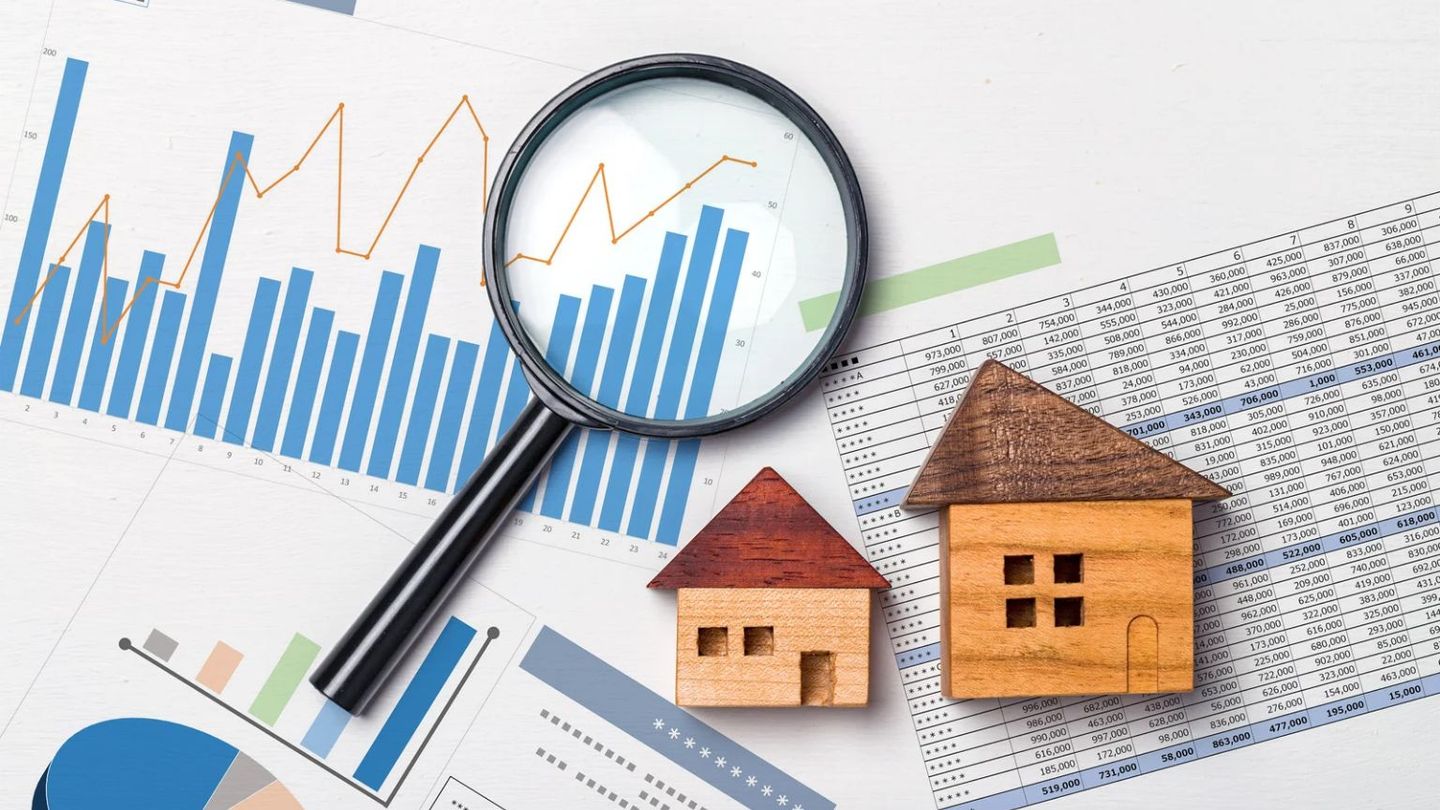
EPR in Real Estate: Real Savings for Homebuyers
When buying an under-construction property, buyers often see different payment plans and financial incentives. One increasingly common incentive developers offer is EPR, or Early Payment Rebate. EPR is a rebate offered to a buyer for paying before the scheduled due date. Instead of waiting for the buyer to pay on the original schedule, the developer encourages early payment by offering a financial incentive.
In the Indian real estate market, EPR is often quoted as an annualised percentage, with rates of around 8-9% being seen in many offers. In contrast, some developers may offer even higher rates depending on the project, inventory, payment plan and stage of sales. However, an EPR of 9% should not simply be interpreted as a 9% discount on the property price. EPR is essentially a financial return the developer offers in exchange for early access to the buyer's money.
How Does EPR Work?
Consider a simple example. Assume a buyer has a payment of ₹1 crore scheduled one year from today. The developer offers an EPR of 9% per annum if the buyer pays immediately.
If the scheme calculates the rebate on a simple annualised basis, the potential rebate would be ₹9 lakh. The buyer would therefore pay ₹91 lakh today instead of ₹1 crore a year later, subject to the developer's EPR scheme terms and conditions. If the same ₹1 crore payment is due six months later, the benefit at a 9% annualised rate would be approximately ₹4.5 lakh.
This illustrates an important point: the EPR rate alone does not tell you the benefit's value. The amount being paid early and the period for which it is being advanced are equally important. Exact calculations can differ between developers, so buyers should always check the formula specified in the offer and transaction documents.
EPR Is Not the Same as a Discount
A conventional discount reduces a property's price. EPR works differently. The buyer receives the rebate because they agreed to pay earlier than originally required. The developer gets access to capital earlier, while the buyer receives compensation for giving up the use of that capital.
Therefore, the right question is not simply, "How much discount am I getting?" It is: "What return am I receiving for bringing forward my payment?" This distinction matters most when the EPR is 8%, 9%, 10%, or even higher. The headline percentage can look attractive, but its real value depends on the payment schedule and the buyer's financial circumstances.
Why Do Developers Offer EPR?
For a developer, customer collections are an important source of project cash flow. Construction involves continuous expenditure on contractors, materials, approvals, financing and other project costs. When a buyer pays six or twelve months earlier than originally scheduled, the developer receives access to that capital earlier. EPR is therefore a mechanism through which the developer shares part of the economic benefit of accelerated collections with the buyer.
From the developer's perspective, it can improve cash flow and reduce the dependence on future collections. From the buyer's perspective, it can reduce the effective cost of acquiring the property. The attractiveness of the arrangement depends on whether the benefit the buyer receives exceeds the economic cost of deploying the money early.
EPR and the Cost of Capital
This is perhaps the most important way to evaluate EPR. Suppose a developer offers an EPR of 9% per annum. A buyer who has surplus cash that would otherwise earn 6% may find the EPR attractive. The buyer may earn a higher benefit by paying the developer early than by keeping the money in the alternative investment.
But consider a buyer who must borrow at 10.5% to make the early payment. In that situation, the EPR may not create the same economic advantage because the borrowing cost is higher than the rebate. Therefore, compare EPR with the buyer's opportunity cost or marginal cost of capital.
The calculation becomes particularly important for large-ticket properties where an early payment can involve several crores of rupees.
The Hidden Benefit: GST and Registration Costs
There is another important aspect of EPR that buyers often overlook. If the EPR is structured and documented as a reduction in the consideration payable for the property, the benefit may extend beyond the rebate itself. A lower consideration can potentially result in lower GST where GST is applicable on the relevant transaction value. Similarly, depending on the applicable state rules and the basis on which stamp duty and registration charges are calculated, a lower documented consideration may also affect these transaction costs.
Let’s say a property was originally priced at ₹5 crore, but the buyer gets an EPR of ₹50 lakh, which knocks the price down to ₹4.5 crore as long as all the paperwork and rules line up. Not only does the buyer benefit from that ₹50 lakh discount, but they could also pay less in GST and possibly save on other transaction costs. All these savings really add up when the final price is lower.
This is why EPR should be evaluated on its net economic benefit rather than simply its headline percentage.
However, buyers should not assume that GST, stamp duty or registration costs will automatically reduce by the amount of the EPR. The treatment depends on how the rebate is structured, documented and recognised for tax and registration purposes. The buyer should obtain a clear calculation from the developer and verify the applicable rules before factoring these savings into the investment decision.
EPR Can Be More Valuable Than It Looks
Consider a buyer offered a 9% annualised EPR on ₹2 crore, brought forward by one year. The headline EPR benefit is ₹18 lakh.
If the EPR also results in a legitimate reduction in the consideration on which applicable GST is calculated, there may be an additional tax saving. Depending on the state and transaction structure, it may also affect stamp duty or registration-related costs. The buyer should therefore not stop the calculation at ₹18 lakh.
The more meaningful calculation is: Direct EPR benefit + applicable tax savings + applicable transaction-cost savings = Total potential EPR benefit. Compare this with the opportunity cost or financing cost of bringing the payment forward. That number tells the buyer whether the EPR is genuinely attractive.
EPR at 8%, 9%, 10% or 12%
Developers may offer different annualised EPR rates depending on their commercial requirements. For a ₹1 crore payment brought forward by one year, the indicative benefit would be:
Annualised EPR | Indicative Benefit |
8% | ₹8 lakh |
9% | ₹9 lakh |
10% | ₹10 lakh |
12% | ₹12 lakh |
These numbers are illustrative. The actual rebate depends on the developer's calculation methodology, the amount paid early and the period for which it is advanced.
A 12% EPR may sound significantly better than a 9% EPR, but you shouldn't evaluate it without looking at the payment schedule. A 12% annualised rebate for advancing money by three months is obviously very different from receiving the same annualised rate for advancing the payment by a full year.
EPR and Construction-Linked Payment Plans
EPR is particularly relevant in construction-linked payment plans. A buyer may have several future instalments linked to construction milestones. If the buyer has sufficient liquidity, the developer may offer an EPR for bringing some of those future payments forward.
This can be attractive for buyers with predictable cash flows who do not need the money for other purposes. However, paying early also means giving up liquidity. A buyer should not use emergency funds or money earmarked for other financial commitments to earn an EPR. The decision should therefore consider both the return on early payment and the value of retaining liquidity.
EPR (Early Payment Rebate) vs TPR (Timely Payment Rebate)
EPR and TPR are sometimes confused, but they are not the same.
EPR, or Early Payment Rebate, rewards the buyer for paying before the scheduled due date.
TPR, or Timely Payment Rebate, generally rewards the buyer for making payments within the prescribed timeline.
EPR primarily accelerates payment, while TPR maintains payment discipline.
A project may offer one or both incentives. If multiple incentives are available, buyers should check whether they can be combined and whether claiming one forfeits the other.
What Buyers Should Check Before Taking EPR?
The headline EPR percentage should never be the only consideration. Buyers should understand exactly how the rebate is calculated, which payments qualify, the date from which the rebate is calculated and when the rebate will be credited or adjusted. It’s also important to check whether the EPR is officially shown as a price reduction on the property or given in some other way. How it’s recorded can affect how much GST and other transaction costs you’ll need to pay.
Buyers should also ask what happens if the payment is subsequently adjusted, cancelled, or delayed; whether a minimum amount must be paid early; whether the EPR can be combined with other incentives; and whether the rebate is reflected in the relevant transaction documents.
A verbal promise of EPR should never be treated as equivalent to a documented contractual benefit.
How Should a Buyer Calculate the Real Benefit of EPR?
The most useful approach is to look at the complete economics. Start with the amount of payment being brought forward and calculate the EPR based on the actual period for which the money is advanced. Then determine whether the rebate reduces the property consideration and whether that reduction has any legitimate impact on GST, stamp duty or registration-related costs.
Finally, compare the total benefit with the buyer's cost of capital. The framework can be expressed simply as: Net EPR Benefit = EPR + Applicable Tax/Transaction-Cost Savings − Cost of Bringing Money Forward.
This provides a much better measure than simply saying that a project offers a 9% EPR.
EPR and Property Comparison
When You Compare Two properties with the same quoted price can have very different economics if their payment plans are different. One project may offer a high EPR but require a large upfront payment. Another may offer a lower EPR but allow the buyer to retain liquidity longer.
The second property could potentially be more attractive depending on the buyer's financial circumstances. This is why payment plans should be treated as an important part of property analysis rather than as a secondary commercial detail.
For a platform such as prOPIUM, EPR can therefore become part of Payment Plan Intelligence, alongside the payment schedule, construction milestones, financing requirements, GST, transaction costs and total cost of ownership.
EPR and the True Cost of a Property
Property buyers often compare projects based on the quoted price per square foot. But the quoted rate does not tell the complete story. The payment schedule, incentives, taxes, financing costs, and cash-flow timing influence a property's actual economics.
EPR is one variable that can materially change the effective acquisition cost. A property with a higher headline price can potentially become more attractive if it offers a favourable payment plan and meaningful EPR. Conversely, a property with a lower headline price may not necessarily be cheaper if its payment structure requires significantly more capital upfront.
The objective should therefore be to calculate the effective acquisition cost, rather than simply comparing brochure prices.
The prOPIUM Perspective
At prOPIUM, EPR should not be presented simply as a promotional benefit offered by a developer. It should be analysed as part of the property's overall financial structure. The buyer should be able to understand the original price, payment schedule, amount being brought forward, annualised EPR, actual rebate, applicable tax impact, transaction-cost impact and cost of capital.
This allows the buyer to answer the question that really matters: "What is the true economic benefit of paying early?" That is a much more meaningful question than simply asking whether a project offers 8%, 9% or 12% EPR.
FAQ's
What is EPR in real estate?
EPR stands for Early Payment Rebate. It is a financial incentive a developer offers when a buyer pays before the scheduled due date.
How is EPR calculated?
EPR is commonly quoted as an annualised percentage. The benefit generally depends on the amount paid early and the period for which the payment is advanced. The exact calculation varies between developers.
Is 9% EPR the same as a 9% discount?
No. A 9% annualised EPR generally relates to the period for which a payment is brought forward. It is not automatically equivalent to a 9% reduction in the total property price.
Can developers offer EPR above 9%?
Yes. Some developers may offer higher annualised EPR rates depending on their commercial strategy and the project. Buyers should evaluate the actual cash-flow benefit rather than focusing only on the headline percentage.
Does EPR reduce GST?
It can potentially reduce GST if the EPR is structured and documented as a reduction in the consideration on which GST is calculated. The exact treatment depends on the transaction structure and applicable GST rules, and the buyer should verify it before assuming a tax saving.
Can EPR reduce stamp duty and registration costs?
Potentially, where those charges are calculated on the relevant transaction value and the EPR genuinely reduces the documented consideration. However, stamp duty and registration rules vary by state, and authorities may apply their own valuation rules. Buyers should verify the applicable treatment.
Is EPR better than a normal discount?
Not necessarily. EPR is linked to early payment and should be evaluated against the buyer's opportunity cost or cost of capital. An upfront discount provides a different type of benefit.
Should I borrow money to take advantage of EPR?
Not automatically. Compare the EPR with the effective cost of borrowing. If your borrowing cost is higher than the EPR's economic benefit, paying early may not make financial sense.
What is the difference between EPR and TPR?
EPR rewards early payment, while TPR generally rewards timely payment according to the agreed payment schedule.
Is EPR important when comparing two projects?
Yes. Payment plans and incentives can materially change the effective cost of two otherwise similar properties. EPR should therefore be included in a comprehensive project comparison.
What is the most important thing to check before accepting EPR?
Check the written terms: the eligible payment, calculation methodology, annualised rate, period of advance, adjustment mechanism, tax treatment and what happens if the transaction or payment schedule changes.
Conclusion
EPR is increasingly becoming an important component of real estate payment plans, particularly in premium and luxury housing. An annualised EPR of 8–9%, or even higher in some cases, can represent a meaningful financial benefit. But EPR's real value goes beyond the headline percentage.
A buyer needs to consider the amount being paid early, the period of advance, the opportunity cost of capital, the cost of borrowing and the potential impact on GST and registration-related costs.
The right way to evaluate EPR is therefore not: "The developer is offering 9%." It is: "What is my total economic benefit from paying early, and what does it cost me to bring that money forward?" That is the difference between looking at a property offer and understanding its economics.
EPR is not merely a discount. It is a financial decision embedded within the payment plan and it should be evaluated as one.